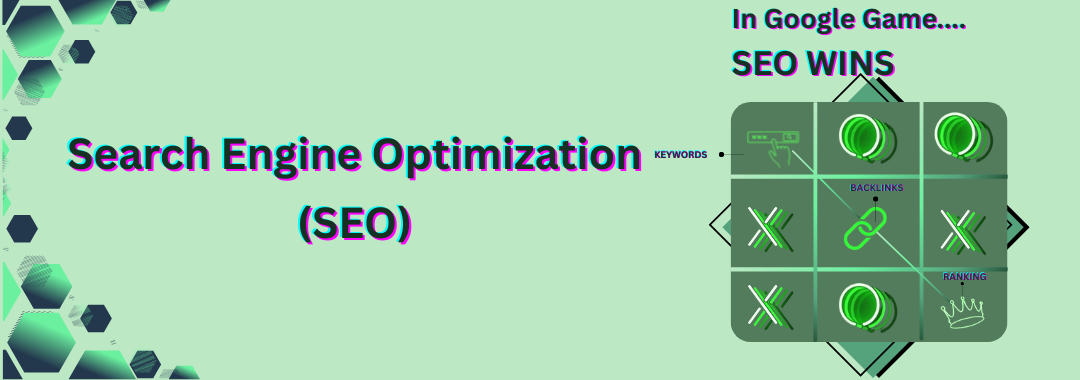
What Is a Search Engine?
A search engine is an online tool that scans the internet and helps people locate information they're looking for. Rather than manually browsing millions of websites, users simply type a query, and the engine sifts through its massive database to surface the most useful and relevant pages.
How Search Engines Operates?
Search engines rely on a three-stage process to deliver accurate, relevant & useful result to worldwide users:
1. Crawling
Automated programs — known as bots, spiders, or crawlers — continuously scan the web, following links from page to page to discover new and updated content.
2. Indexing
Once a page is discovered, its content gets analyzed and stored in a massive database called an index. Think of it like a library catalog — it allows the engine to retrieve information almost instantly instead of searching the entire web from scratch each time.
3. Ranking
When someone enters a search query, the engine evaluates its index and orders the results by relevance, quality, and other ranking factors, placing the most useful pages at the top.

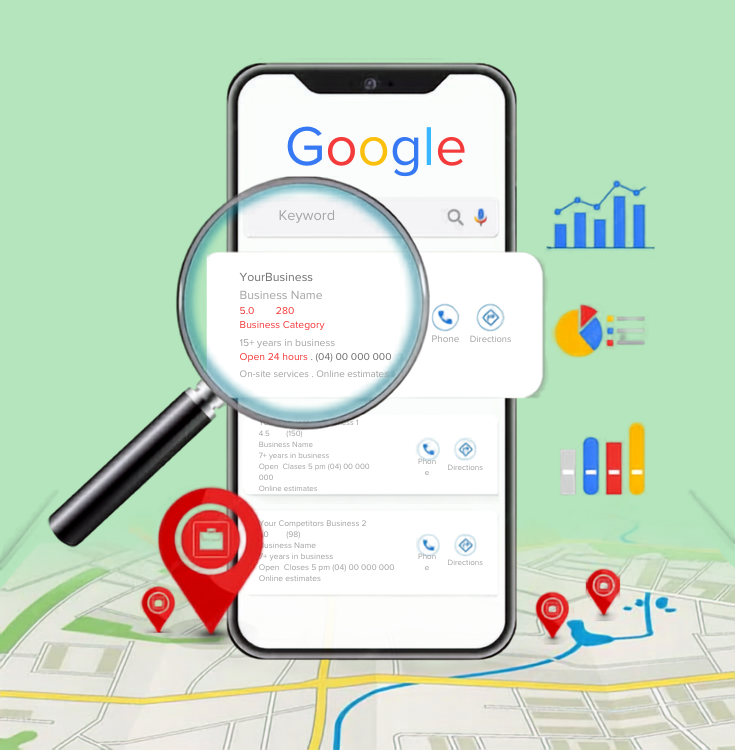
What is Search Engine Optimization (SEO)?
Search Engine Optimization, popularly known as SEO, refer to the ongoing process of improving a website so that it ranks higher and gain more organic or non-paid traffic on search engine such as Google, Bing. In Paid advertising, advertisement model work like "pay-to-play" system. But SEO is unlike paid advertising, where you earn visibility naturally by aligning a website's content, high-quality, relevant content,& reputation. SEO Digital footprints: when someone or users types a query into search engine then google appears a most relevant page through google crawler (google bot), indexing & ranking.
The main objective of SEO is to improve a website's online visibility, enhance user experience, and generate long-term sustainable traffic. Effective SEO strategies also increase a website's credibility and authority, which helps in business growth and brand awareness.
The Three Pillars of SEO
Search Engine Optimization isn't a single technique - it's a combination of strategies working together to boost your site's presence in search results. Here's a breakdown of the three core categories.
1. On Page SEO
This covers everything you control directly within your websiste's content and code.
What it involves-
1. Researching and strategically placing target keywords.
2.Crafting valuable, well-written content.
3. Writing compelling title tags and meta descriptions.
4.Structuring content with H1-H3 headint tags.
5.Linking between related pages on your own site.
6.Optimizing images(alt attributes, compressed file size).
7.Creating clean, readable URL slugs.
Real-word example: Reworking a blog article so it targets the right search terms, reads well for humans, and follows a logical heading hierarchy.


2. Off Page SEO
This is about building your site's reputation and authority through external signals things happening beyond you own pages.
What it involves-
1. Earning backlinks from credible sources.
2. Contributing guests posts to other sites.
3. Promoting content through social channels.
4.Generating brand mentions across the web.
5.Partnering with influencers for exposure.
Real-word example: Securing a link from a well-known publication in you niche.
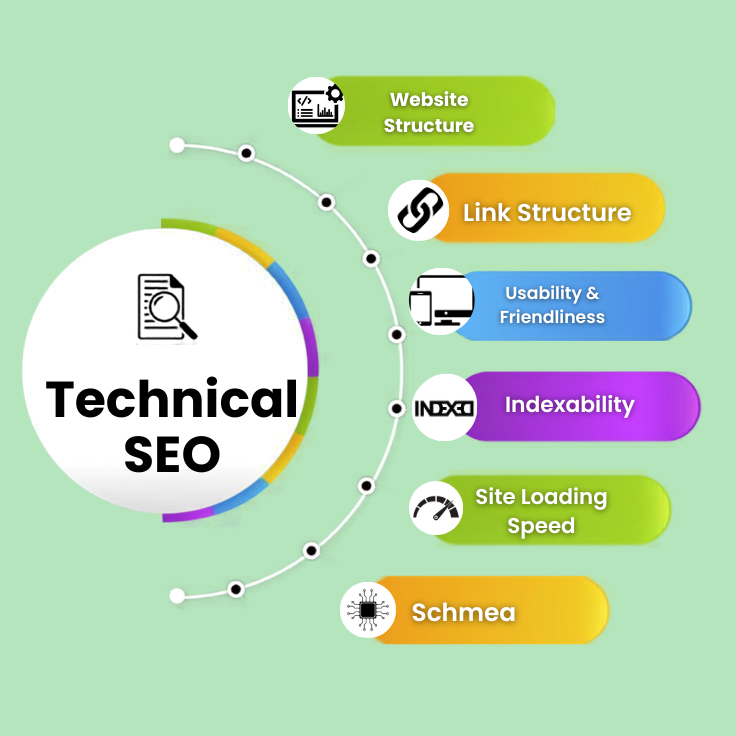
3. Technical SEO
It is the process of improving a website's technical structure to help search engines crawl, index, and understand its content more effectively. It enhances site performance, usability, and search engine visibility.
What it involves-
1. Speeding up pages load times.
2. Making sure the site works well on mobile devices.
3. Generating an XML sitemap.
4.Configuring robots.txt correctly.
5.Installing an SSL certificate for HTTPS.
6. Repairing broken or deads links.
Real-word example: Cutting down load times to enhance both user experience and search rankings.
Difference Between SEO v/s SEM
FEATURE |  |  |
|---|---|---|
| Traffic Type | Organic (Free) Traffic | Paid Traffic |
| ROI | Better long-term ROI | Better short-term ROI |
| Results Speed | Takes time (weeks/months) | Immediate results |
| Ranking Method | Content, backlinks, technical optimization | Paid advertisements |
| Long-Term Value | Long-lasting results | Stops when ad budget ends |
| Cost | No cost per click | Pay per click (PPC) |
| Click Label | Appears as normal search results | Often marked as "Ad" or "Sponsored" |
| Best For | Brand authority and sustainable growth | Quick leads and sales |